






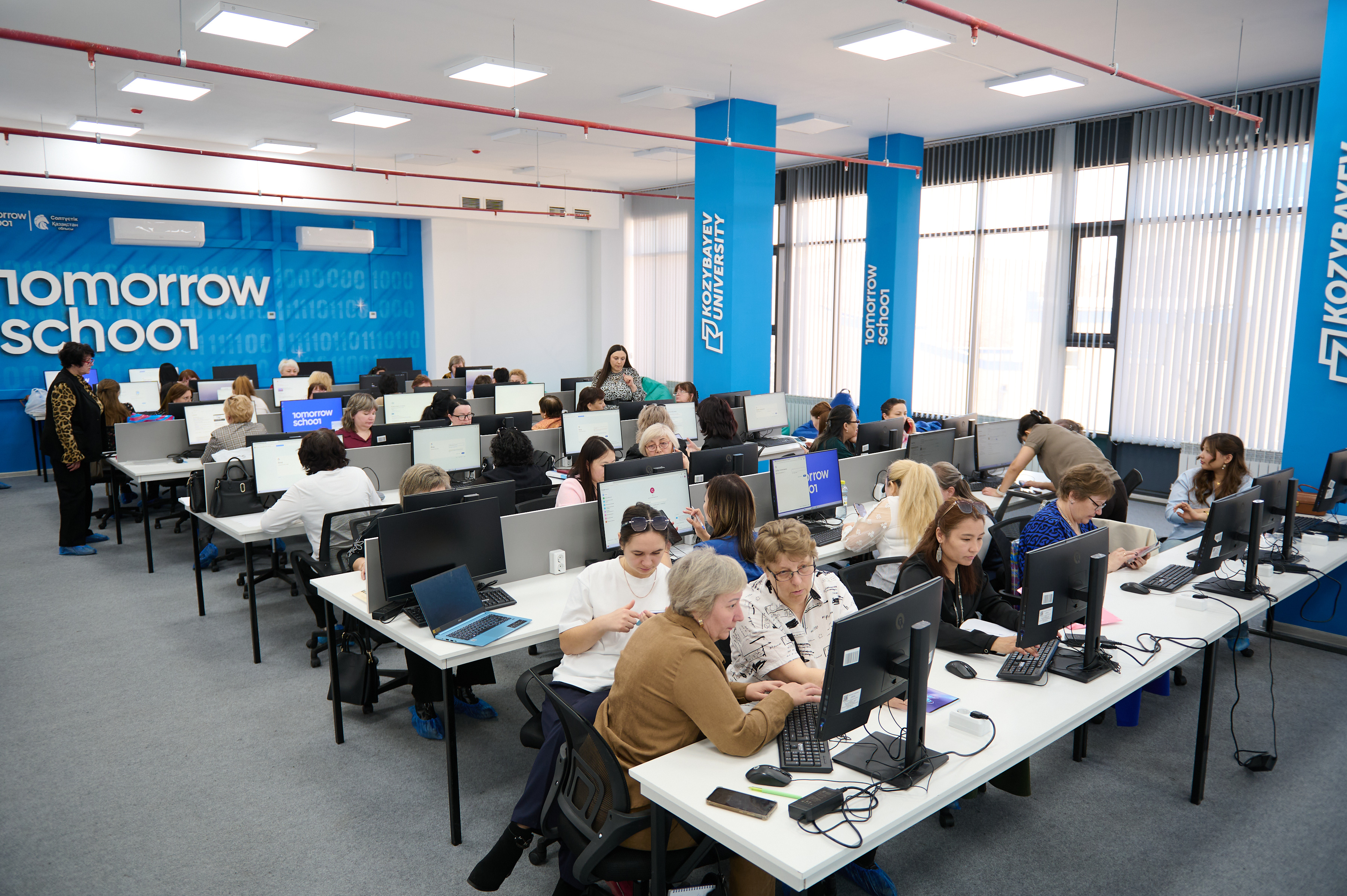
Kozybayev University hosted a seminar for librarians from the North Kazakhstan region titled “Fundamentals of Artificial Intelligence: Creating Media Content and Modern Opportunities.” Experts from the Department of Information and Communication Technologies explained to library professionals which AI tools can assist them in their work and how to create high-quality video and audio content using AI technologies. Seminar participants learned about modern methods for automating event plans, generating ideas and texts, and more. They also received practical guidance on creating videos without filming, voiceovers (Text-to-Speech), and working with applications such as CapCut, Google AI, Studio Leonardo AI, Canva, ChatGPT, Ideogram, and Lumen5. Additionally, participants mastered principles for creating visuals for social media and websites: Generating images for posts and videos; Covers for books and events; Using AI-generated images in videos. More than 50 participants attended the seminar. At the end, all of them received corresponding certificates.
Read more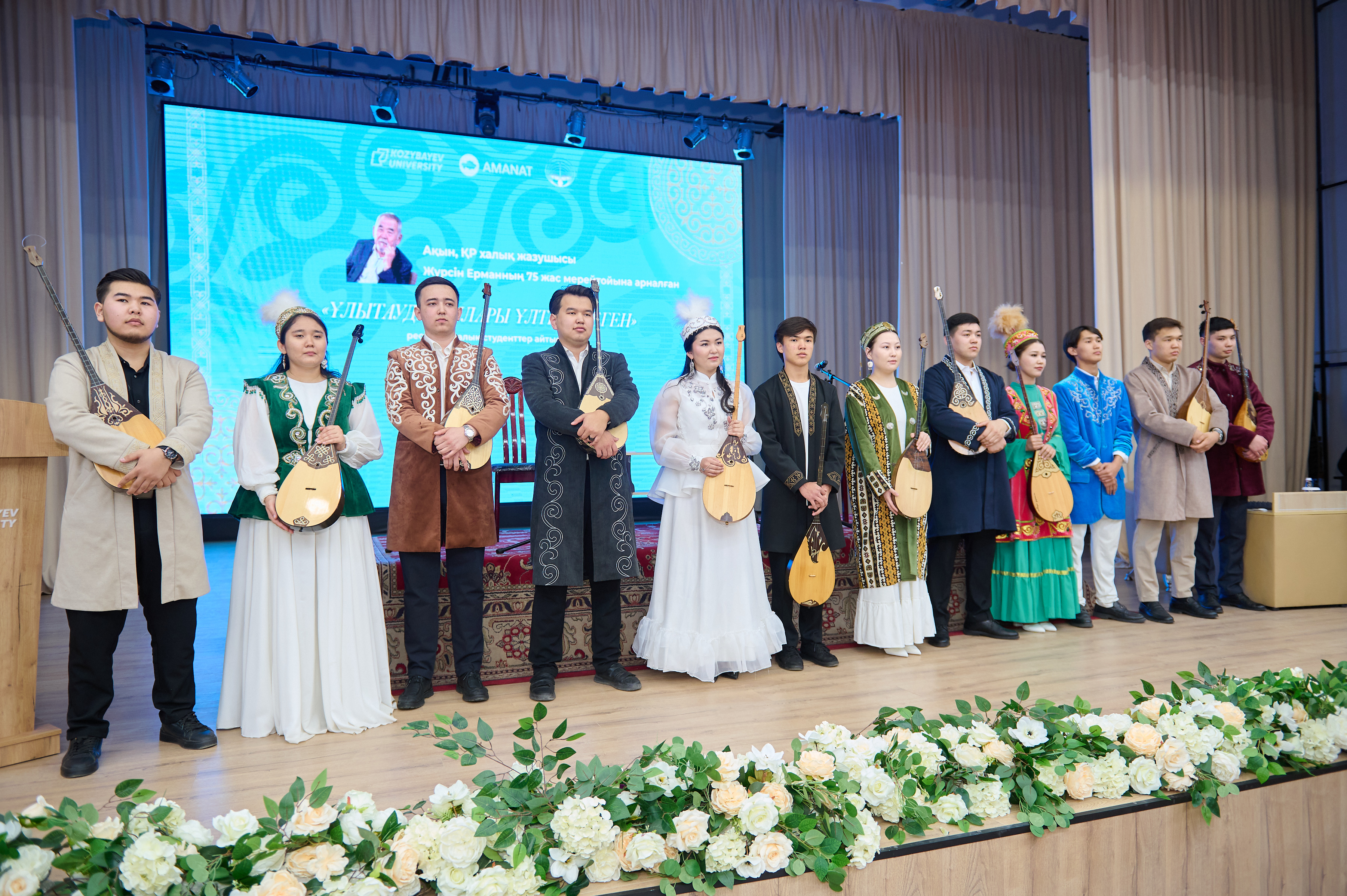
Aitys remains a true spiritual treasure of the Great Steppe and the pinnacle of the art of words for our people. We take rightful pride in it, passing its traditions from generation to generation. Our region is a golden cradle of creativity, which has gifted the country numerous historical figures who made an invaluable contribution to the spiritual development of the nation. Today, talented natives of this land continue to pass on traditions and cultural heritage to the youth, contributing to the preservation and development of spiritual values. The Republican Student Aitys “Sons of Ulytau – My Nation”, held within the walls of our university, is a vivid proof of this. This large-scale competition, aimed at reviving national art and developing the improvisational skills of young akyns, was dedicated to the 95th anniversary of the outstanding scholar, academician Manash Kozybayev, and the 75th anniversary of the honored figure of the Republic of Kazakhstan, poet and aitys performer Yermán Zhursin. The competition featured young akyns not only from our region but also from Astana, Pavlodar, Semey, Kokshetau, Kyzylorda, Kostanay, Shymkent, Ust-Kamenogorsk, Turkestan, and other cities across the country. The young participants, while maintaining respect and tact, skillfully expressed their thoughts through subtle humor and profound content. During the aitys, they addressed pressing youth issues and delivered insightful and sharp statements. The participants’ mastery was evaluated by an authoritative jury, including poet Yermán Zhursin, our university professor Zhanar Talaspaeva, Professor Almas Almatov of the Kazakh National University of Arts named after K. Baiseyitova, Kazakh cultural figure Serik Kaliyev, director of the Akmola Regional History and Local Lore Museum Kudayberli Myrzabek, and others. Their fair evaluation and wise advice served as a guide for the young talents. As a result, the winners and prize-winners were determined: — Grand Prix was awarded to guest Zarina Perdebay from Almaty; — 1st place — Eldar Amirkhan (Kyzylorda region); — 2nd place — Ayakoz Mukhankyzy (Kokshetau); — 3rd place — Ramazan Daurenbek (Pavlodar). A special prize was awarded to Dias Ayagan, representing the North Kazakhstan region. During the event, Yermán Zhursin was awarded the Manash Kozybayev Medal for his contribution to the development of the university, and Almas Almatov was honored with the title of “Honorary Professor” of Kozybayev University. Preserving and passing on spiritual heritage is our shared responsibility. Thanks to such significant events, we not only revive cultural values but also transmit them to future generations. May the centuries-old art of our people continue to flourish! We extend our gratitude to the participants and the esteemed jury members!
Read more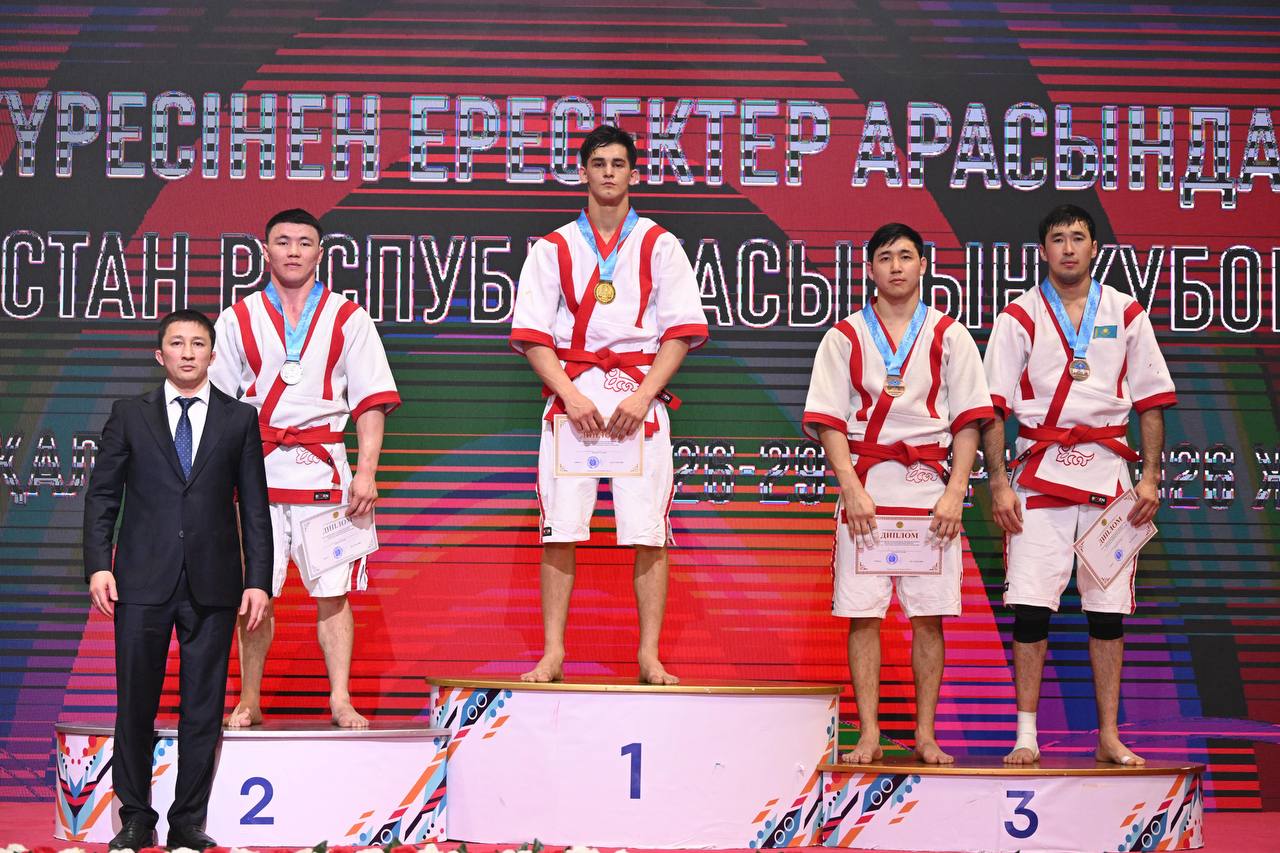
Kozybayev University student Dmitry Diner became the winner of the qualifying stage of the Republic of Kazakhstan Cup in қазақ күресі among adults. The competition took place in Turkestan and brought together the strongest wrestlers from across the country. Dmitry Diner, a fourth-year student of the Physical Education and Sports program, represented the North Kazakhstan Region. The athlete delivered an outstanding performance in the under 82 kg weight category and won the tournament gold. It is worth recalling that last year Dmitry became a bronze medalist at the World Cup. We wish our student great success and the achievement of new sporting heights!
Read more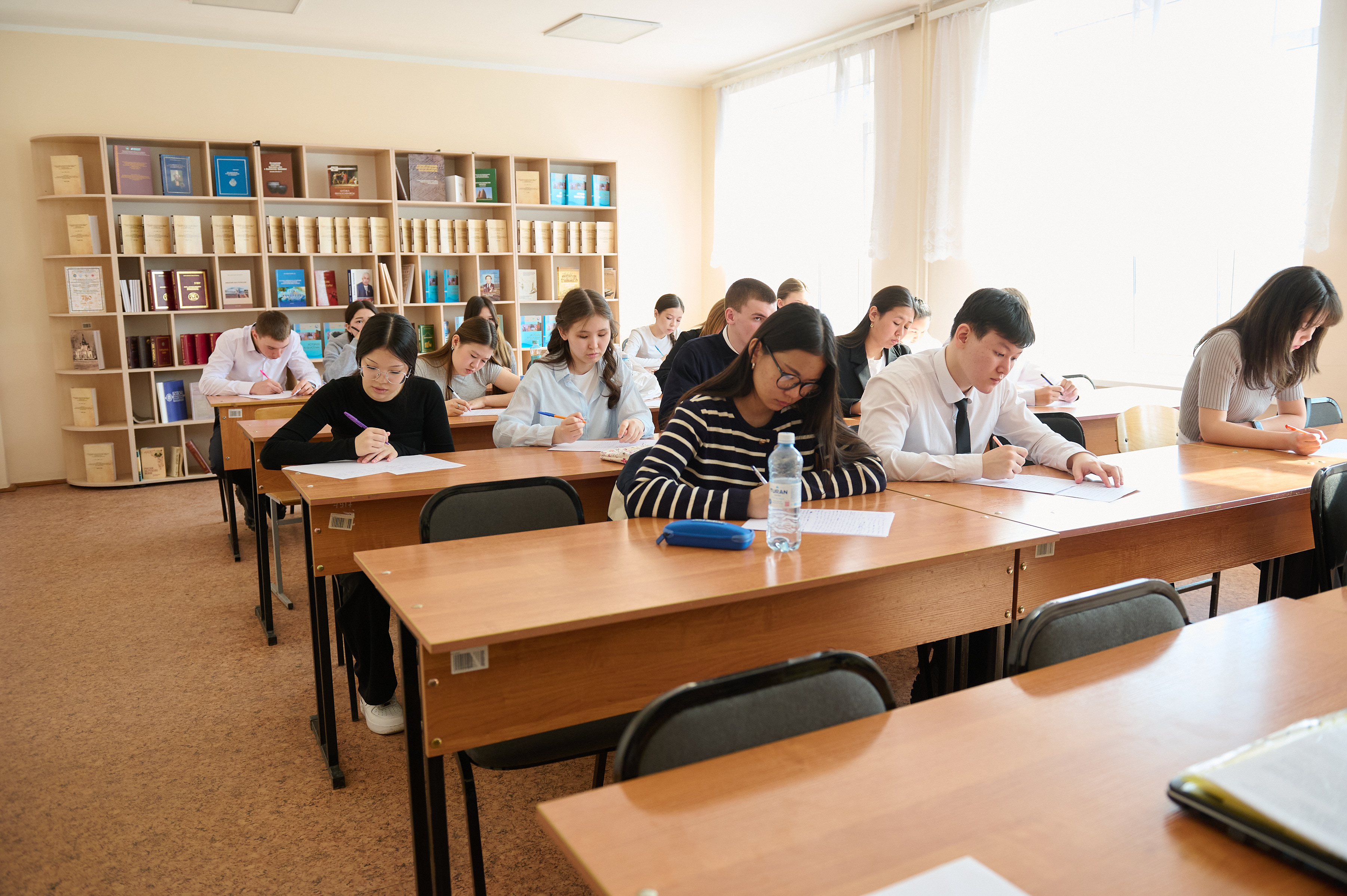
For more than 20 years, our university has been hosting the regional school Olympiad in language subjects. This time, more than 370 students from 93 schools in Petropavlovsk and 11 districts of the North Kazakhstan Region gathered with us. The intellectual competition is aimed at developing the creative abilities and research interest of 10th–11th grade students who have shown a special interest in language studies, creating the necessary conditions to support gifted children, promoting scientific knowledge, increasing academic motivation, developing students’ public speaking skills, as well as providing career guidance for school graduates. Participants compete in literature, Kazakh, English, Russian, German, and French. The Olympiad is organized in two stages. First, students demonstrate their ability to express their thoughts in written form through an essay. In the second round, such types of speech activity as reading, listening, and speaking are assessed. In addition, the Olympiad serves as a discussion platform for teachers of the region to exchange experience and discuss current pedagogical issues. These topics were addressed at the seminars: “Improving Modern Foreign Language Education,” “Formation of Professional Competencies as a Condition for Training a Competitive Graduate,” and “The Content and Effectiveness of Teaching the Kazakh Language in Schools with Non-Kazakh Language Instruction.” It has also become a good tradition within our Olympiad to hold meetings with stakeholders to present innovative methods and technologies in language teaching.
Read more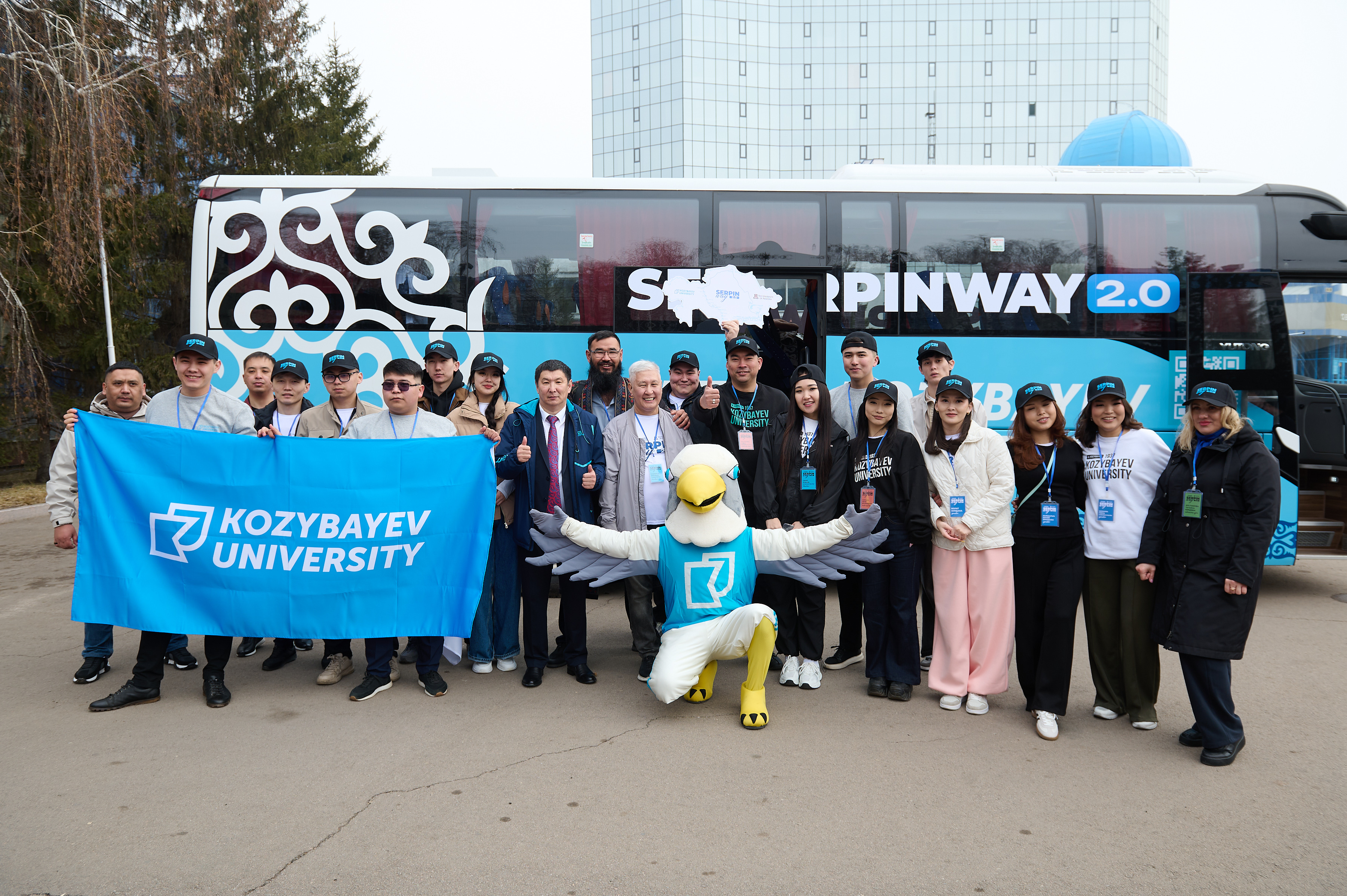
On March 31, the branded SERPIN WAY 2.0 bus set off from Petropavlovsk with the team of Kozybayev University. Over the course of 23 days, students, faculty members, staff, as well as public figures and representatives of the city career center, will travel more than 6,000 km across Kazakhstan. During this time, they will visit the Karaganda, Zhetysu, Almaty, Zhambyl, Kyzylorda, Turkestan, and Aktobe regions. The SERPIN WAY 2.0 caravan will meet with school students, their parents, and local administrations in both major cities and remote rural villages. The route from north to south has been designed to inform as many prospective students as possible about admissions, grants, academic programs, including dual-degree programs with the University of Arizona, study conditions at the university, dormitory accommodation, and student organizations. Last year, Kozybayev University implemented this initiative for the first time in Kazakhstan. As a result, around 130 students from the southern regions of the country were attracted. Now the project enters a new stage. This time, the route geography will cover 14 cities as well as 16 villages and district centers. Another large-scale objective is to give new momentum to the national “Serpin” program. Over its ten years of existence, it has become a true social elevator for thousands of young Kazakhstanis, giving young people from labor-surplus regions the opportunity to receive quality education and find employment where there is an acute shortage of specialists. Kozybayev University has been participating in the implementation of the Serpin program since 2014. During this time, more than 1,400 students have studied under it. A group of students and faculty gathered in the central campus square to see off the 24-member SERPIN WAY 2.0 team. In his online address, Ruslan Yemelbayev, Advisor to the Minister of Science and Higher Education of the Republic of Kazakhstan, noted that this project fulfills the task of attracting prospective students to the northern part of the country, provides them with information on university admissions, and helps them choose a profession. “For the second year in a row, Kozybayev University has been implementing the unique SERPIN WAY project. Its uniqueness lies in the fact that it covers the entire southern region of the country. This year, around 120 events and meetings with prospective students will be held. During the trip, more than 30 settlements will be covered. This is a wonderful opportunity for young people to receive full career guidance information, consultations on the UNT, and participation in the Serpin program,” said Ruslan Yemelbayev. The Chairman of the Board of Directors of Kozybayev University, Galym Baituk, also wished the SERPIN WAY 2.0 team success in their work. The SERPIN WAY 2.0 caravan will return to Petropavlovsk on April 23. The total audience outreach is expected to exceed 600,000 people.
Read more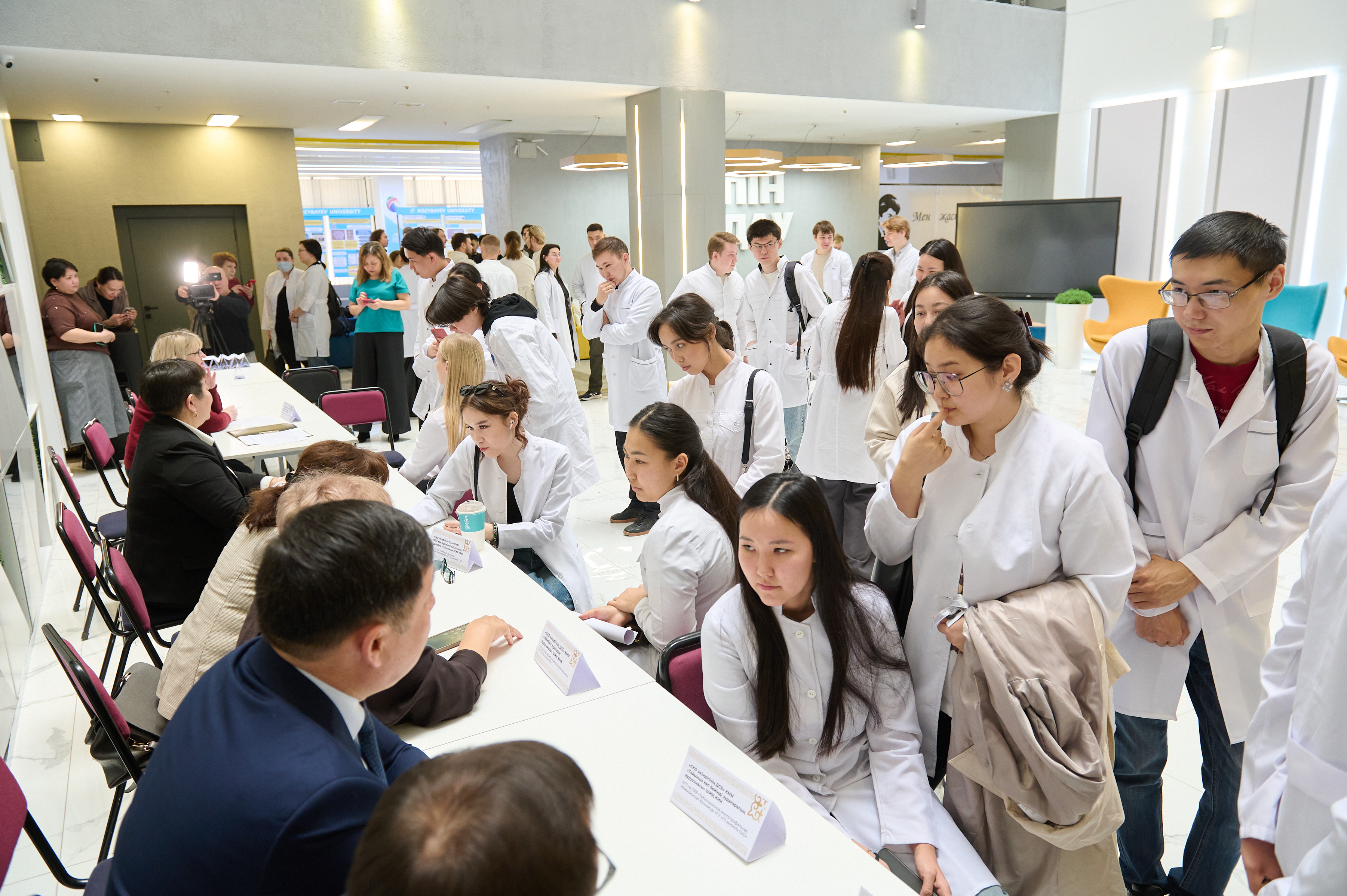
A job fair was held at the university for internship graduates of the Medical Faculty. More than 20 medical institutions from Petropavlovsk and districts of the North Kazakhstan Region were represented. Here, future doctors had the opportunity to meet potential employers and leave their résumés. However, this was not just a meeting, but a platform that opens the door for young specialists to a world of professional opportunities, introduces them to job requirements and working conditions, and provides a chance to build important professional connections. “This year, our faculty has a total of 137 graduates (bachelor’s and internship programs). Last year, there were 195. Of these, 11 entered residency programs in Astana, and 8 were exempt due to pregnancy and childcare leave. Thus, the employment rate reached 100%,” said Assel Keldegulova, Acting Head of the Dual Education and Career Center at Kozybayev University. It is worth noting that our university began training specialists in medical fields in 2018. Today, more than 180 students and interns are studying in the programs “General Medicine” and “Pharmacy.” Classes are taught both by university faculty and practicing physicians. The faculty is equipped with modern equipment and includes educational and research laboratories in anatomy, physiology, histology, 3D medical simulation, and more. In total, medical organizations of the North Kazakhstan Region presented more than 100 vacancies at the event.
Read more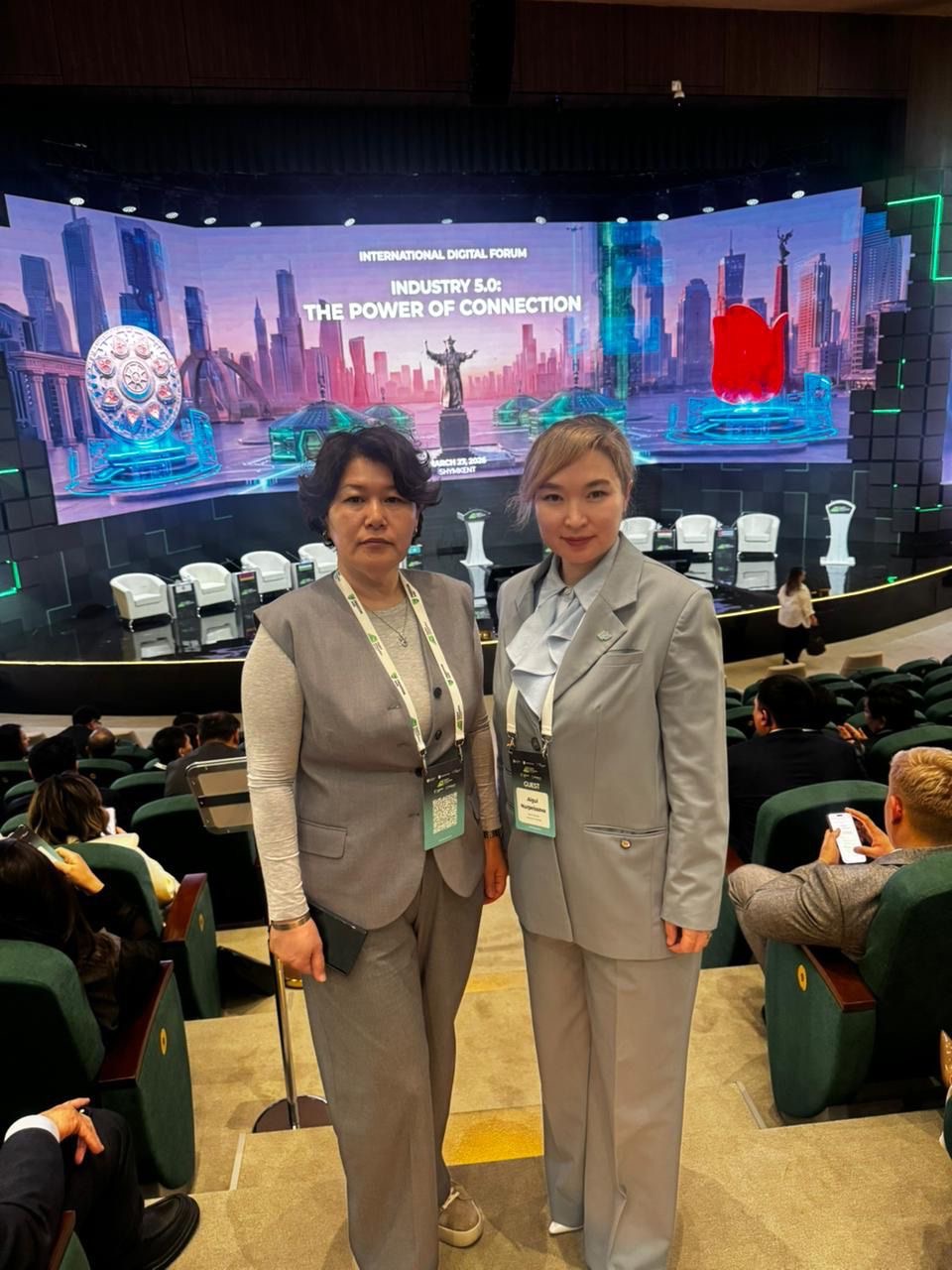
The largest technology forum, Digital Qazaqstan 2026, has concluded in Shymkent, becoming a key platform for discussing the future of the IT industry at the regional level. The focus of experts and digital market leaders from the EAEU countries was the concept “Industry 5.0: The Power of Interaction,” centered on integrating advanced technologies into the real sector of the economy. Aigul Nurpeisova, Member of the Management Board for Academic Affairs at Kozybayev University, and Kainizhamal Iklasova, Dean of the Faculty of Engineering and Digital Technologies, took part in the event, enabling our university to align its educational and research agenda with current industry demands. During the forum’s practical sessions, the innovative platform AlemGPT was presented — a multi-agent system automating public services, demonstrating the direction of AI solutions development for which we prepare our graduates. Of particular interest to the academic community were infrastructure projects such as the “Data Center Valley” by Kazakhtelecom JSC. The creation of powerful data processing centers with capacities of up to 50 MW forms the necessary technical foundation for implementing high-tech projects in machine learning and big data analytics, which are being developed within our university. A key focus of the discussions, involving Vice Minister of Science and Higher Education of the Republic of Kazakhstan Dinara Shcheglova and leaders of major national companies, was the training of a new generation of specialists capable of implementing artificial intelligence in priority sectors of the economy. For our university, this discussion confirmed the importance of synergy between academia and business: the focus is shifting toward creating educational pathways where students, together with industry partners, develop real technological solutions, contributing to the country’s digital transformation. More than 2,500 students from our university have been enrolled in the second stage of the AI-Sana program. This stage will mark a key transition from basic AI learning to practical application and the development of students’ own projects. Special attention at the forum was given to the advanced experience of the North Kazakhstan Region, which presented the strategic project “Digital Aimaq.” This unique IT ecosystem for rural areas is aimed at eliminating the digital divide between urban and rural communities. It is expected that large-scale digitalization will cover more than 7,800 rural residents, creating new growth points for the economy of the future. As part of the project, 11 IT centers are already successfully operating in the region, including the country’s first district-level creative center “Esil.AI” and the unique digital museum “Ziyatker Myra.” For our university, the implementation of “Digital Aimaq” opens up broad opportunities: from engaging students in developing projects for the agricultural sector to building a talent pool in artificial intelligence and creative industries across the region. The outcomes of the forum in Shymkent confirm that the digital transformation of regions requires strengthening the role of higher education institutions in developing a high-quality talent pool. The experience gained and the analysis of the presented cases will be valuable for updating curricula and improving the university’s scientific and methodological framework in the field of artificial intelligence and digitalization.
Read more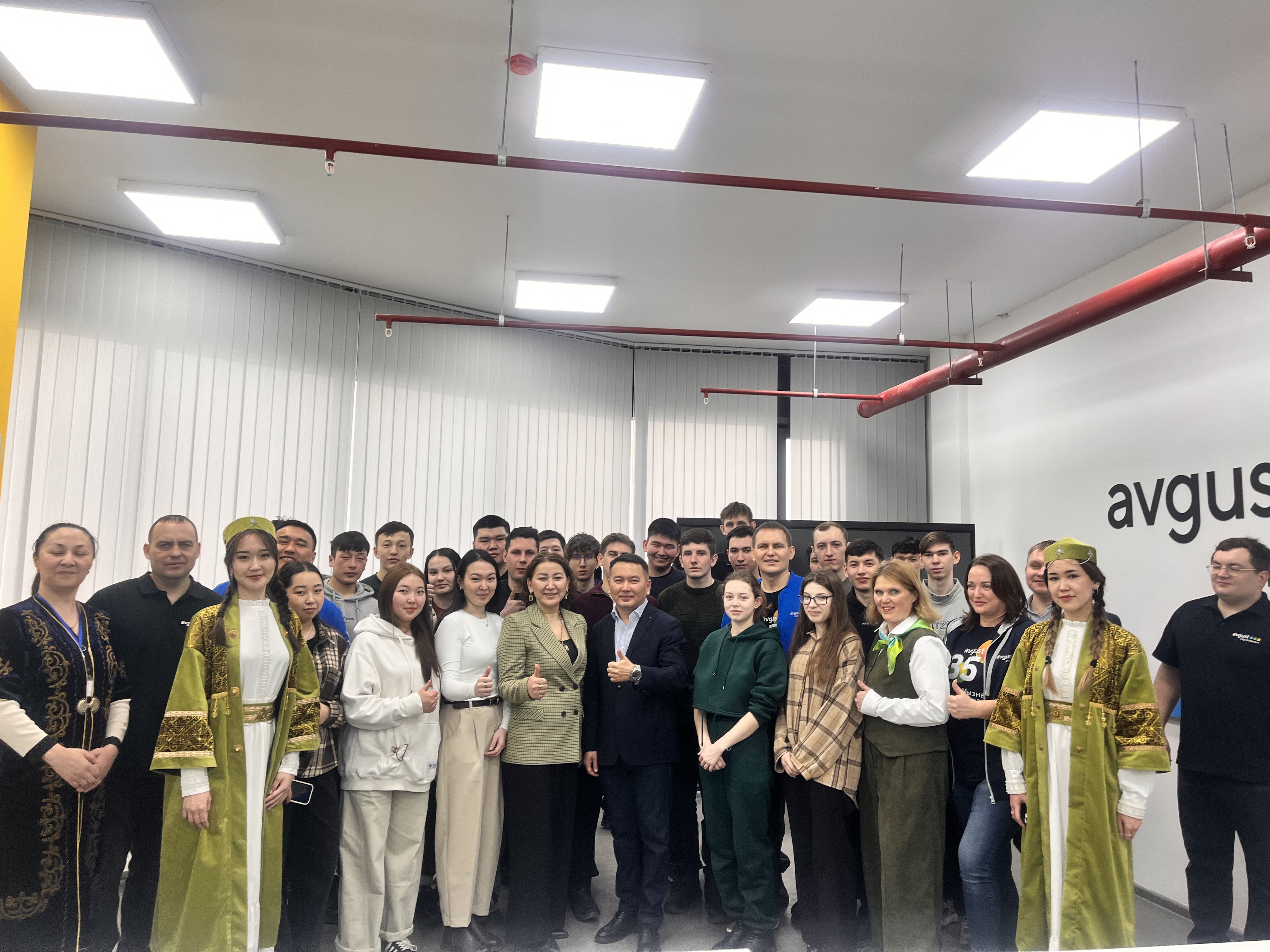
Kozybayev University, together with August-Kazakhstan LLP, held two significant events at once - an agricultural olympiad and the opening of a branded classroom. The company’s delegation was led by O.D. Kusainov, General Director of August-Kazakhstan LLP, which highlighted the strategic level and practical importance of this cooperation. Both events are the result of a systematic partnership built over more than 10 years. The cooperation is highly practice-oriented: the educational process is aligned with the needs of the agricultural sector, and students are immersed in the professional environment already during their studies. The agricultural olympiad became a platform for assessing students’ professional competencies. Based on its results, the strongest participants were identified: Renat Balkashev, Oleg Tarasenko, Dauren Manaydar, and Damir Nurikenov (educational programs “Agronomy” and “Plant Science and Technology”). The winners will represent the faculty in the second international round at the Research Center in Chernogolovka, Russia. The opening of the branded classroom strengthens the educational infrastructure of the Faculty of Agrotechnology and creates a modern environment for practice-oriented learning. The effectiveness of cooperation with August-Kazakhstan LLP is reflected in concrete outcomes: — employment of graduates in the профильной industry; — training seminars; — development of competitive specialists. We express our gratitude to August-Kazakhstan LLP for many years of effective cooperation and for its contribution to training highly qualified specialists!
Read moreВ рамках Недели науки Международный кампус приглашает студентов и преподавателей на презентацию проектов «Life and Science of Biotech Students». В ходе мероприятия будут представлены видео-презентации, подготовленные студентами-биотехнологами, в которых они расскажут о своей учебной, научной и исследовательской деятельности, достижениях, лабораторной практике и интересных проектах в области биотехнологии. Участники смогут ближе познакомиться с жизнью студентов направления и их вкладом в развитие современной науки. Место проведения: ауд. 636, УЛКВремя: 8:30 Приглашаем всех желающих!
В рамках Недели науки медицинский факультет приглашает студентов, преподавателей и сотрудников университета принять участие в акции «Check out», приуроченной ко Всемирному дню здоровья. Мероприятие направлено на популяризацию здорового образа жизни, повышение внимания к вопросам профилактики заболеваний и заботы о собственном здоровье. Участники смогут получить полезную информацию о принципах сохранения здоровья, пройти экспресс-оценку отдельных показателей и узнать больше о современных подходах к профилактике и укреплению организма. Место проведения: УЛК, атриум, 1 этаж Время: в течение дня Приглашаем всех желающих!
В рамках Недели науки агротехнологический факультет приглашает студентов, преподавателей и всех заинтересованных на научно-практический мастер-класс «Современные решения в посевной технике: от идеи к рабочему прототипу». Участники познакомятся с современными подходами к разработке и совершенствованию посевной техники, узнают о процессе создания инновационных решений - от зарождения идеи до изготовления рабочего прототипа, а также смогут обсудить перспективы внедрения новых технологий в аграрное производство. Место проведения: ауд. 801, УЛКВремя: 10:30 Будем рады видеть всех желающих!